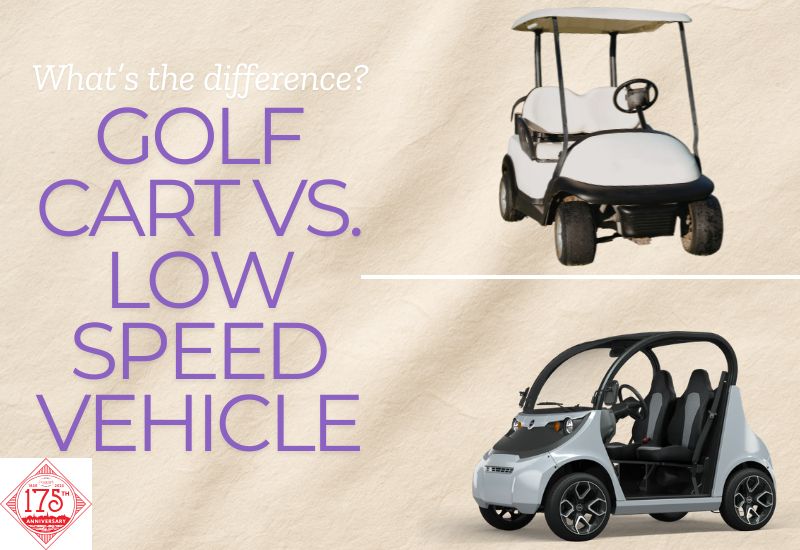
As more and more people in coastal South Carolina are buying low speed vehicles, we’re getting one question more than any other: What’s the difference between a golf cart insurance policy and a low speed vehicle insurance policy?
While these vehicles may look similar, they’re built for different uses and come with different insurance requirements. That’s why we’re highlighting these two policies and breaking down what sets them apart.
In this guide, we’ll explain the difference between the two vehicles, what each insurance policy is designed to cover, and why choosing the right one matters.
By the end, you’ll have a clearer idea of which option fits your situation best. And if you still have questions, the team at C.T. Lowndes is always here to help.
Why the Right Coverage Matters
Let’s talk first about why the right coverage matters and then go into the differences, because this is very important.
Having the wrong insurance policy can leave you exposed to serious costs. For example, insuring a low speed vehicle with only golf cart insurance may not provide coverage if an accident happens on a public road.
Medical bills, property damage, and repairs can add up quickly. Without the right coverage, you may be responsible for paying out of pocket. The right insurance helps protect you and your passengers.
Insurers determine coverage needs based on how a vehicle is used, where it operates, and the level of risk involved. That is why choosing the correct policy matters so much.
What Is a Golf Cart?
A golf cart is designed for short-distance transportation at low speeds. Most people think of a golf cart being used on a golf course or fairway, but many golf cart owners also use them in a residential community, around a house, or on private property.
Golf carts are usually limited in speed and do not come equipped with the same safety features as a car. Because of this, they are typically not allowed on public roads, except in certain states or specific local areas.
From an insurance standpoint, a golf cart is considered a lower-risk vehicle. That lower risk is one reason golf cart insurance tends to be simpler and more affordable.
What Is a Low Speed Vehicle?
So, what is a low speed vehicle?
Low speed vehicles, often called LSVs, look similar to golf carts but are built very differently. They can travel at higher speeds and are designed to operate on certain public roads.
To qualify as a low speed vehicle, they usually must meet specific requirements set by state laws, including safety equipment like seat belts, lights, mirrors, and a vehicle identification number (VIN).
Because low speed vehicles mix with regular traffic, insurers view them as higher risk than a standard golf cart. That difference plays a big role in the type of insurance coverage required.
Key Differences Between Golf Carts and Low Speed Vehicles
The biggest differences between these two vehicles come down to how they are used and where they operate.
Golf carts are most often used on a golf course, within a residential community, or on private property. Low speed vehicles are built for transportation on public roads where they may share space with cars, motorcycles, and other drivers.
Speed, safety features, and legal requirements all affect risk. When risk increases, insurance coverage needs to increase as well. That is why golf cart insurance policies and low speed vehicle insurance are not interchangeable.
What Does a Golf Cart Insurance Policy Cover?
A golf cart insurance policy is designed to provide coverage for the most common risks golf cart owners face.
Most policies include liability coverage. This liability insurance helps pay if you are at fault in an accident and someone is injured or their property is damaged. Bodily injury liability can help cover medical bills, medical expenses, and other costs related to injuries.
Property damage liability helps pay for damage to a person’s property, such as another cart, equipment, or an object you accidentally strike.
Many golf cart insurance policies also offer collision coverage. Collision helps pay for repairs if your golf cart is damaged in an accident, regardless of fault. Comprehensive coverage may protect against theft, falling objects, fire, or weather-related events.
Additional coverage options may include protection for guest passengers, custom parts, and roadside assistance. In some cases, coverage helps pay for a tow if your cart breaks down. These options help protect your vehicle and reduce out-of-pocket costs after an unexpected event.
What Does Low Speed Vehicle Insurance Cover?
Low speed vehicle insurance works more like car insurance because the vehicle operates on public roads.
Liability coverage is typically required. This includes bodily injury liability and property damage liability to help pay for injuries, medical expenses, and property damage if you are at fault in an accident.
LSV insurance policies often include collision coverage and comprehensive coverage as well. Collision coverage helps pay for repairs after a crash, while comprehensive coverage may cover theft, damage from falling objects, or contact with another object.
Because low speed vehicles carry passengers and interact with other vehicles, insurers often recommend higher liability limits and additional protection. Roadside assistance, tow coverage, and protection for passengers are commonly added to these policies.
Can You Insure Both With the Same Company?
In many cases, yes. But, on separate policies.
Using the same independent insurance agency to insure your golf cart, low speed vehicle, car, and home is convenient and can even help you save money. Many insurers offer discounts for bundling multiple vehicles or policies together.
Working with one insurance agency can sometimes simplify payments, reduce paperwork, and make it easier to manage your coverage in one place.
How C.T. Lowndes Helps You Choose the Right Coverage
At C.T. Lowndes, our focus is helping customers find solutions that make sense for their real lives. We take the time to understand how your golf cart or low speed vehicle is used, where it operates, and what level of protection you need.
Our team helps you compare coverage options, understand costs, and choose a plan that protects you. The goal is always the right coverage, not more or less coverage.
Protect What Matters Most
Golf carts and low speed vehicles may look similar, but they come with very different insurance needs. Understanding the difference can help you avoid gaps in coverage, unexpected costs, and unnecessary risk.
If you are unsure whether your current insurance policy truly covers how you use your vehicle, now is a great time to review it. Reach out to C.T. Lowndes to ask questions, explore coverage options, and make sure you are properly protected wherever your golf cart or low speed vehicle takes you.