Key takeaways:
-
A detached garage is usually covered under other structures coverage
-
Coverage is often limited to a percentage of your dwelling coverage
-
Contents inside the garage fall under personal property coverage
-
Certain perils, like earthquake damage and flood, may require a separate policy
-
Business use and valuable items may need special coverage
If you have a detached garage, you want to make sure it’s actually covered by your homeowners insurance. It’s a common question we get asked all the time.
In most cases, yes, a detached garage is typically covered under a standard homeowners insurance policy (HO3 & HO5). But the details matter, and that’s where many homeowners get caught off guard.
Let’s walk through how coverage works, what to watch for, and how to make sure your garage and everything inside it are insured.
If you’re unsure whether your current policy gives you enough coverage, a quick review can help clear things up fast.
How Homeowners Insurance Treats a Detached Garage
Most homeowners insurance policies divide coverage for different items into different categories. Your main dwelling is covered under dwelling coverage or Coverage A, which applies to the house itself and anything attached, like an attached garage or deck.
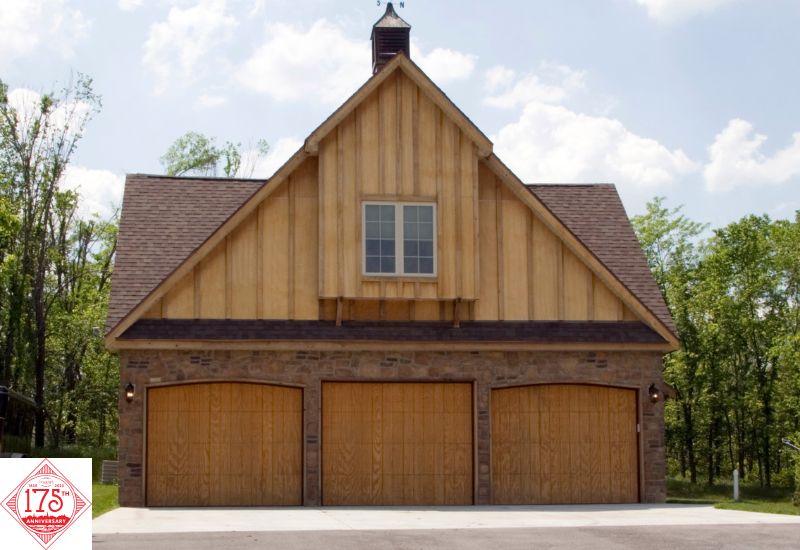
A detached garage, on the other hand, is considered part of other structures coverage or, Coverage B. This section of your homeowners policy is designed to help protect structures on your premises that are not physically connected to your home by a wall or similar connection.
Examples of other structures include:
-
A detached garage
-
A fence
-
A tool shed
-
Gazebos or small workshops
-
Certain detached structures used for storage
As long as the garage sits on your residence premises, it is usually insured under the other structures coverage portion of your insurance policy.
What Other Structures Coverage Actually Covers
Other structures coverage generally helps pay to repair or rebuild your detached garage if it’s damaged by a covered peril. Common perils include:
-
Fire
-
Theft
-
Wind or hail
-
Vandalism
-
Some types of damage caused by falling objects
However, not everything is covered. Many insurers exclude certain events like earthquake damage or flooding unless you take out a separate policy. Always check your policy language so there are no surprises when you file a claim.
Coverage Limits: How Much Protection Do You Have?
Here’s where homeowners often need to take a closer look. Other structures coverage is usually capped at a percentage of your dwelling coverage. In many homeowners insurance plans, that limit is around 10%. You can request this coverage be increased if you need additional coverage.
For example:
If your dwelling is insured for $300,000, your other structures limit may be $30,000.
That amount needs to cover all eligible structures on your property, not just the garage. If you also have a long fence, a shed, or other buildings, they all share that same limit.
If your garage was custom construction, uses special materials, or has had major improvements, you may need more coverage beyond the standard amount.
What About What’s Inside the Garage?
The garage itself is one thing. The contents are another.
Items stored inside a detached garage usually fall under personal property coverage. This helps protect your belongings, such as:
-
Lawn equipment
-
Tools
-
Seasonal items
-
Stored furniture
That said, some high value items may have lower limits or specific exclusions. For instance, expensive equipment or items used for business purposes may not be fully covered without special endorsements.
If you store anything valuable in your garage, it’s worth reviewing your personal property limits with your agent to make sure the value of those items is properly accounted for.
Business Use and Special Situations
If your garage is used for a business, even a small side operation, coverage can vary depending on how it’s used. A garage that stores inventory, machinery, or client property may not qualify for standard coverage under a personal home insurance plan.
This is one of those situations where speaking with an insurance agent really helps. An agent can help determine whether you need a separate policy or additional coverage.
Deductibles, Claims, and Repairs
If your detached garage is damaged and you file a claim, your deductible will apply before your insurance company pays anything. After that, the policy will help pay for covered repair costs, up to your coverage limits.
It’s also important to note that wear and tear or poor maintenance is not a covered instance. Insurance is designed for sudden, unexpected risks, not gradual deterioration.
Why Reviewing Your Policy Matters
Many homeowners assume their garage is protected without ever reading the details. Taking time to review your insurance policy can help you:
-
Spot low limits
-
Identify exclusions
-
Confirm that all structures are listed correctly
-
Make sure you have enough coverage
A quick conversation with your agent can go a long way toward avoiding costly gaps.
When to Talk to a Professional
If you’re unsure whether your garage is protected or whether your limits are high enough, it’s smart to talk with an experienced insurance agent. The team at C.T. Lowndes & Co. can help you understand your policy, explain your options in plain language, and help make sure your property is properly covered.
A quick review today can help prevent expensive surprises tomorrow.